If you spend enough time with steeds, the calendar lives in your body. Wintertime makes you listen a lot more very closely. Spring throws open the barn doors and your senses together with them. Summer examinations your perseverance and your limits. Fall asks you to gather what you have actually found out. Operating in restorative horsemanship and equine-assisted services for two decades, I have enjoyed just how the seasons act like co-facilitators, shaping the tone and structure of every session. When we lean right into that rhythm as opposed to battling it, experiential learning with steeds goes much deeper. Goals come to be a lot more based, regulation steadier, and understandings stick.
I do not indicate only trail rides on sunny days. I suggest actual, organized equine-assisted tasks and equine-facilitated mentoring that deal with climate, daytime, herd needs, and human nerve systems. I indicate somatic healing with equines that adjusts to mud, heat, frost, and wind. The periods influence herd dynamics, forage, hoof growth, layer adjustments, and power. They likewise change just how individuals feel in their skin. If you have ever before viewed a youngster with ADHD clear up right into a strolling pattern in winter months when the globe is silent, or seen a high-performing supervisor soften her jaw on a breezy fall morning while a mare breathes beside her, you know what I am speaking about.
What changes throughout the year, and why it matters
Horses are victim animals, which suggests their survival relies on reviewing the atmosphere. When the light changes or the wind raises unfamiliar scents, you feel it first in your steed's ribcage and your own breast. Springtime brings fresh turf and bigger herds of flies. Metabolic rate surges with the new forage, and several steeds feel warm and forward. Summertime warm slows every little thing down, screening hydration and focus. Fall brings steady ground and sharper air, which can brighten some steeds and increase startle in others. Winter months silences the farm. Pastures remainder. Snow muffles noise, and frost makes hooves sing on difficult ground. The nerve system signs up every one of this via breath, position, and gait.
Humans really feel seasonal changes also. Customers seeking stress and anxiety assistance with equines often see that wind days make their ideas race. Clients in an autism equine discovering program may require simpler visual atmospheres to minimize sensory tons during spring green-up. Grownups seeking equine-facilitated wellness frequently turn up in August dried and over-scheduled, then find a different sort of boundary when a gelding rejects to relocate until they slow down their breathing. These are not side notes. They are the work.
So, the concern is not just how to make every session the exact same. It is just how to utilize the season as educational program, securely and intentionally.
Spring: rekindling interest and rebuilding trust
Every year in March or April, relying on your latitude, horses and human beings awaken to more light. The barn feels busy prior to anything in fact gets done. Equines that were steady in January might alarm at coats flapping. New grass can be a thrill experience if you are not mindful with turnover time. I plan springtime sessions with a bias towards interest and trust.
Start on the ground. Springtime power, specifically on cooler mornings, can make placing a test for environment-friendly equines and green riders. In equine-assisted mentoring and equine-facilitated mentoring sessions, I frequently start with a boundary rope and a halter lesson that looks deceptively straightforward. The customer stalls, holds the lead gently, and tracks the equine's tiniest shifts. When the horse looks external, the client takes a breath out and names three sounds in the environment. When the equine pivots an ear or softens an eye, the customer takes one step backward and welcomes link. It is a dialogue, not a tug-of-war. After 10 minutes, focus has a form again.
Anecdote aids below. One April, a teen in our ADHD equine discovering support program showed up virtually shaking from school. The gelding he generally dealt with had springtime fever. We changed the plan. Instead of a placed pattern, we set 4 cones in a square and created a stop and notification circuit. Walk three steps, time out, check the area. Walk diagonally, time out, discover a shade. He rolled his shoulders, the gelding yawned, and by the 3rd lap their strides matched. Placed job later on that month was much easier because we made it on the ground.
The trade-off with springtime is the urge to do too much prematurely. Equines are losing, which can irritate the skin and sidetrack them. Weather condition turns from balmy to gusty in an hour. Ground may look completely dry on top and be soup underneath. Keep timelines adaptable and welcome micro-wins. A ten-minute effective in-hand pattern can offer even more restorative worth than a shaky 40-minute ride. For customers with sensory challenges, set up brushing or board with different brushes and brief periods, or make use of a curry mitt to decrease tickle experience that sometimes triggers dysregulation in spring.
If you work in group building with steeds throughout this season, framework it around calibrating team attention. A traditional example is the shared lead exercise. 2 participants, one lead rope. The rule is no chatting for the initial min. The horse offers immediate biofeedback regarding leadership obscurity. When both sighs and a single person devotes to a refined hint, the steed answers with a step and a breath. You can check out the whole group's period of partnership in 5 slow minutes in April.
Summer: energy administration, boundaries, and hydration
I love summer season's long evenings, but they can fool individuals right into assuming capacity is unlimited. It is not, not for human beings or horses. Warm and moisture raise heart prices and reduce interest spans. Flies and midgets include a layer of irritation for delicate equines. Hydration becomes a peaceful protagonist in equine-facilitated health. Anticipate to invest more time on pacing, rest, and boundaries.
Many equine-assisted tasks benefit from color. A walk track in a timberline does more for self-regulation in July than an open sector. Procedure should consist of more frequent breaks, not as a consolation yet as the job. I time installed rounds to 5 to 8 minutes, after that dismount for water and reset. If a customer's goal is emotional law, we name the interior weather. Warm head, tight neck, completely dry mouth. After that we match method to feedback. Sometimes it is as simple as asking a steed to stop in the only spot of breeze. That tiny act models just how to select alleviation rather than grinding on.
One July afternoon with a company team, we ran a limit exercise that wound up having to do with the word no. Individuals had to move a mare through a basic U-shaped lane of poles without touching her. Deliberately, the lane tightened near the end. The mare did exactly what summertime asks. She stopped in the shade and did not budge. The team tried louder body movement. She flipped an ear and stayed. Lastly, a single person went back, settled his shoulders, and developed a clear opening with his placement. One more individual softened her jaw and dropped her power. The mare took 3 actions. We spoke about just how boundary and invitation are not revers. Summer season instructed that lesson much better than any type of lecture.
For customers seeking stress and anxiety assistance with equines, summer typically brings awaiting worry. What happens if I can not focus. What happens if the horse is way too much. I maintain a cooling fabric in my pocket and a baseline breath count as a ritual. Stroll to the arena entrance, count four slow exhales, touch eviction with your hand and feel its temperature level. These sensory supports disrupt rumination. For an autism equine finding out program, summer needs thoughtful scheduling. Morning sessions are kinder to sensory level of sensitivity. A wide-brimmed hat and constant regimens minimize shocks. Flies can not be eliminated totally, but fly sheets and a follower in the grooming location help.
Here is a little but valuable seasonal gear checklist that resides in my tack room from June via August:
- Clean water bottles and electrolyte packets for humans A second bucket of water near the workspace for horses Fly masks, fly spray, and a box fan with a grounded extension cord Cooling towels and a small first-aid set with sun block and melt gel Cones or posts to develop shaded remainder factors in the arena
The trade-off in summer season is that some steeds will certainly appear careless. Before pushing for even more go, ask whether the steed is protecting themself. Inspect skin temperature behind the arm joint, test for dehydration with a mild skin outdoor tents, and pay attention to breathing. A forward steed in May might be a metronome in July. Approve the metronome, and you will certainly frequently locate that timing and equilibrium boost. If riding gets on the strategy, reduce trot sets and extend walk recoveries. The human brain learns well at the walk.
Autumn: shifts, harvest, and sharper listening
Autumn is the instructor who rests silently and waits for you to notice. The air dries, coats are available in, and ground companies underfoot. Herd characteristics can shift as fields adjustment and grain timetables change. I find that individuals show up even more reflective. They would like to know what all that summer season initiative amounted to. This is the period for incorporating abilities and checking out transitions cleanly.
I like to design patterns that catch a start, a middle, and an end. Walk, trot, walk. Method, time out, back up. Lead out, unclip, and invite freedom. We focus on thresholds. Can the horse and human enter the sector with each other without rushing. Can they leave without leaking power. One adult client in equine-assisted mentoring pertained to fall work after a year of management modifications at her job. Her mare of choice was independent and a little doubtful. We constructed a three-part session: grooming with mindful touch, a common walk to a field gateway and back, then a liberty circle in a round pen. The mare checked the border free, drifted, after that returned when the customer softened her shoulders and supplied a clear instructions. The customer grinned, a tiny exclusive point. That night she emailed, I practiced the same posture in my team meeting. The room followed.
Transitions also suggest despair and preparation. Steeds age, herds lose and obtain participants, daylight shortens. I do not promote big wins in October. I listen wherefore wishes to finish well. For a teen with sensory processing differences, we spent a session deconstructing a preferred grooming routine right into three valued touches, after that created a small picture book so he can carry the ritual onward during winter season breaks. For ADHD equine finding out support, fall is an ideal time to explore task shifting without self-criticism. A cone slalom ends up being an area to exercise altering way of thinkings. It is not about rate. It is about ending up the breath you remain in prior to beginning the next turn.
Teams thrive in fall. Harvest is an all-natural allegory. A ground-based difficulty involving moving a set of poles into a brand-new arrangement functions perfectly currently. Group members need to prepare, carry, change, and complete. The steed adds truthful input. If the group quits teaming up, the gelding drops off to the hay stack. When they connect clearly, he tracks together with them. People keep in mind in their muscle mass what the difference seems like. That is equine-facilitated training at its most elegant.
Winter: silent bodies, deep policy, and small exact work
Winter resembles a time-out, however I have never ever seen much more honest somatic modification than in December through February. With less aesthetic clutter, minds can downshift. Snow absorbs noise. Cold air asks for slower warm-ups and real existence. Equines wear much heavier coats. Some barns reduce yield during tornados, which can make horses feel restless. Unguis treatment changes as a result of ice and hard ground. I plan for much shorter, a lot more willful blocks and make the walk the hero.
Mounted work in winter ought to shield joints and balance. Ten mins of purposeful stroll with serpentines and soft halts educates both equine and rider to coordinate. On the ground, I utilize body scan workouts that integrate the horse's warmth. One favorite for anxiety support with horses sets a client's hand on the steed's shoulder with the other hand on their very own upper body. The task is small. Match the development of the horse's ribs with your very own breath for 5 cycles. Individuals report feeling their heart rate drop in a min or 2. A wearable programs that decrease too, normally by 5 to 15 beats per min across the first part of the session.
Clients in an autism equine discovering program often take advantage of winter's predictability. Visual fields are less active, and regimens are repeatable. I maintain an additional collection of gloves with different appearances so we can modulate sensory input during grooming. The curry comb that felt ticklish in spring usually really feels grounding in January when made use of in slow-moving circles. For ADHD students, winter months provides a chance to practice continual focus without the external globe shouting for their own. We established a timer for three minutes and do an easy job like counting hoofbeats on a stroll track. The brain builds a bridge from one step to the next.
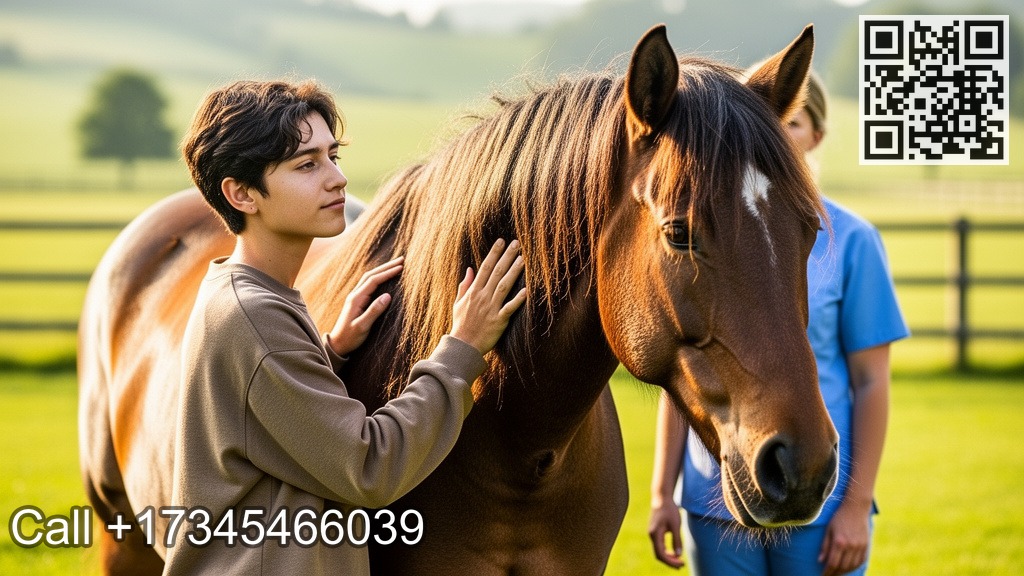
I additionally reserve part of wintertime for group debriefs and program design. If you run equine-assisted services, this is a great home window to evaluate end results and strategy. Recall at goals set in spring. Which were attained. Which require a different approach. Data can remain human. Track presence, guideline self-reports, and visible skills like mounting independence or halter efficiency. In my program, we see that customers that participate in winter sessions at least twice a month maintain or enhance guideline scores into very early spring, while irregular winter season participation associates with a choppier reentry in April. The aim is not excellence, just intelligence concerning patterns.
Because wintertime needs accuracy, right here is a basic grounding sequence we make use of indoors or in a sheltered edge of the arena:
- Stand shoulder to shoulder with the equine, both of you dealing with the same direction, and notification where your feet meet the ground Place one hand carefully on the equine's shoulder, the various other by yourself stubborn belly, and matter 3 slow-moving exhales Shift your weight somewhat onward and back, after that side to side, and feel the steed mirror or neglect your movement without judgment Name three points you can see in the barn, two you can listen to, one you can feel on your skin Invite one advance with each other, time out, and discover what transformed in breath and posture
The danger in winter is rushing the workout to remain warm. Withstand. Begin with hand walking. Inspect footing for ice in every zone you plan to make use of. For ridden job, a quarter sheet can keep back muscles warmer. If the wind is penalizing, take the session into a stall row or a little indoor, or ditch the equine completely and do a human-only policy session with hay webs and steady jobs. Credibility beats heroics. Security becomes part of the lesson.
Adapting goals and methods for various needs
A stamina of equine-assisted activities is exactly how quickly they bend to specific profiles. That flexibility must include seasonal adjustments.
For ADHD equine finding out assistance, springtime favors novelty within framework. Modification the pattern yet keep the routine. Summer season incentives bite-size tasks with noticeable endpoints. Fall invites reflection on progression utilizing concrete markers like time with a pattern or variety of stops accomplished without hint stacking. Winter is the moment to build endurance for tranquility. One of my favored successes was a 12-year-old that, by February, can take a breath via 2 full mins of standing at the installing block with his horse, then step up smoothly. That skill converted to waiting his turn in various other settings.
For customers looking for an alternate therapy for sensory challenges, springtime can flood the system. Use brushing with a clear start and quit, and deal options of tools. Summer requests shade, hats, and much shorter sessions. Fall usually opens up a home window for richer appearances like layer changes and crunchy leaves under unguis, which some clients like. Wintertime allows quiet barn appears, the balanced scrape of a hoof pick, the steed's breath, which numerous clients discover regulating.
For anxiety, every period has a doorway. Springtime instructs strategy and hideaway. Summer season imposes pacing. Fall clarifies endings and shifts. Wintertime embodies serenity without collapse. In equine-facilitated wellness, I prevent large claims. Quantifiable success look like lowered self-reported stress and anxiety throughout sessions, boosted sleep on session evenings reported by families, or the client arriving very early rather than late. Those end results appear in our notes across seasons.
Team building and leadership growth that value the calendar
Corporate and business groups featured objectives and restrictions. They desire crisp takeaways. Steeds demand authenticity. Bridging the two jobs best when the season notifies the design.
Warm months prefer exterior, movement-rich difficulties with integrated rest. A July afternoon schedule may consist of 2 short ground exercises, a hydration break where everyone names one border they will certainly hold at work, and a closing stroll with the herd free if the herd's temperament and space permit. In cooler months, tighter time obstructs with reflective debriefs fit people and steeds. Among one of the most impactful winter team sessions I ran utilized a single silent gelding, a set of poles, and a 90-minute arc. The team made a pattern, practiced calmly, ran it with discourse, after that equated each on-the-ground slip right into an office analog. People entrusted to a shortlist of actions to transform instantly, not a binder of theory.
Equine-assisted coaching has a specific present for disclosing management dead spots. Steeds check out comprehensibility. If your words claim calm and your body screams agitated, the gelding selects the body. If you fill up silence with explanations, the mare turns her head away. In autumn, when interruptions are fewer, this comments lands with less sting and even more quality. It ends up being, I see it, I can alter it.
Ethics, welfare, and the lengthy view
Working seasonally is not just effective. It is kinder. Healing horsemanship that ignores weather, ground, turnover, and forage is inadequate method. Equine-facilitated solutions need to focus on steed well-being as long as human goals. That suggests canceling for ice, readjusting work in heat, allowing horses day of rests after huge sessions, and learning each equine's seasonal choices. Some horses enjoy winter job and hate flies. Others perk up in springtime and fight with November winds. Honor that.
Consent issues. Not in a performative way, in an everyday way. Look for little no signals, like a pinned ear at the girth, a stop at the arena gate, or a change in chew pattern. Adjust. A program that treats horses as companions rather than devices versions exactly the type of relational health and wellness we want clients to discover. This includes preparation pause for the herd throughout the fiscal year. In my barn, late August and late February are light on reservations by design.
Staff training adheres to the very same contour. Instruct your group exactly how to spot seasonal laminitis danger in spring, warm tension in summer, colic signs during autumn weather condition swings, and footing risks https://penzu.com/p/97730bf99a24a311 in winter season. Never hesitate to say not today. The stability you build mirrors with every session.
Designing a year with intention
If you are building or refining an equine program, map your goals to the seasons. Start spring with reconnecting to signs, limits, and focus. Set baseline steps like breath counts, halter abilities, or number of tidy transitions. Use summer to exercise energy management and self-advocacy. In fall, incorporate and show. Ask clients what they intend to harvest. In winter, shield deepness and rest. Focus on precision, body awareness, and maintenance of gains.
Budget and logistics do the same. Allocate funds for fly control in summer and footing upkeep in winter season. Schedule group continuing education and learning in quiet months. Interact with households concerning what to anticipate each period so they arrive with the ideal garments and state of mind. Basic details, like having extra gloves, water, and a spare jacket on hand, turn possible obstacles into non-events.
For advertising and marketing and outreach, maintain the message sincere. Equine-assisted solutions are not magic. They are personified, receptive, and relational. Say that. If you provide an autism equine discovering program, describe the sensory environment by period so households can choose the best home window. If you organize team structure with horses, frame the benefits around seasonal lessons. July for pacing and boundary work. October for clarity and closure. February for listening and coherence.
Stories that stay
Ask any type of practitioner and they will certainly have a handful of sessions that refuse to fade. Mine often tie to a moment when the season, the steed, and the human claimed the same thing.
A winter months day when a young expert stood with a draft cross and matched breath for the first time in months, then claimed, silently, I can feel my feet. A gusty spring early morning when a mare taught a supervisor that stepping back can develop a lot more onward than pressing ever before will. An August afternoon under the oak trees where a teenager, sweaty and proud, dismounted after walking a best figure eight and stated, I didn't quit on the difficult component. An October evening where a team strolled a gelding with a pattern, bows and all, after that created three sentences they would actually send to their staff. Those are seasonal stories.
Equine-facilitated coaching and equine-facilitated wellness prosper when they quit claiming the arena is a vacuum. The world is part of the session. Light, temperature level, pests, wind, mud, frost. Equines currently recognize this. When we, the human beings, allow the schedule into our preparation, the job obtains straightforward. Individuals discover guideline without forcing it. Horses stay audio in body and mind. The farm rests and revives. And we, with each other, find out with the year, not against it.